
Geoblocking is typically seen on streaming platforms, TV channels, and online bookies. It drives people crazy, especially when they don’t know how to remove geo-blocking. But what is geoblocking? In short, it’s technology that limits access to a site, app, or other online content based on your location.
This technology uses your IP address to determine your approximate location. However, by changing your IP address to another country, you can navigate geo-blocking and access all the content you want. This guide breaks down the concept of this technology and explains how to sidestep it anywhere.
Geoblocking Explained: How to Bypass It?
Geo-blocking is when websites, platforms, services, or apps are restricted based on your location. You can bypass a geoblock by changing your IP address to the location where the online content you need is accessible. The most effective methods in 2026 include:
- Using a VPN (we recommend NordVPN, available at 70% off)
- Connect through a free web proxy
- Using Tor Browser
- Relying on Smart DNS
Bypass Geo-Blocks With NordVPN
By far the best method is to use a VPN. It’s risk-free and yields the most feasible results across all devices. Other methods are viable but less likely to work on specific streaming services and websites.
What is Geo-Blocking?
In a recent guide, we discussed how to unblock a restricted website using a VPN. We also mentioned geo-restrictions, or geo-blocks, as people call them, which prevent users from accessing sites. Geoblocking is when sites, services, and platforms block content based on your location. For instance, if you try to access Hulu outside the US, you’ll get an error message due to the geo-block.
Many users are up in arms about this occurrence, but there’s a reason for it. Usually, it lies in copyrights, licensing rights, jurisdictions, etc. Gambling sites, for example, can be geo-restricted based on jurisdiction, while streaming sites are usually restricted due to licensing and copyrights.
How Does Geoblocking Work?
Before explaining how to bypass geo-blocking, it’s crucial to know how it works. There are two types of geo-blocking. The first one is when your country blocks a particular site or group of sites, and the other one is when a company does this. In both cases, geoblocking is enforced through your IP address.
Your IP address gives out your location, which helps companies and the authorities to block online content based on where you are. Your IP address is easy to find on online IP Checkers.
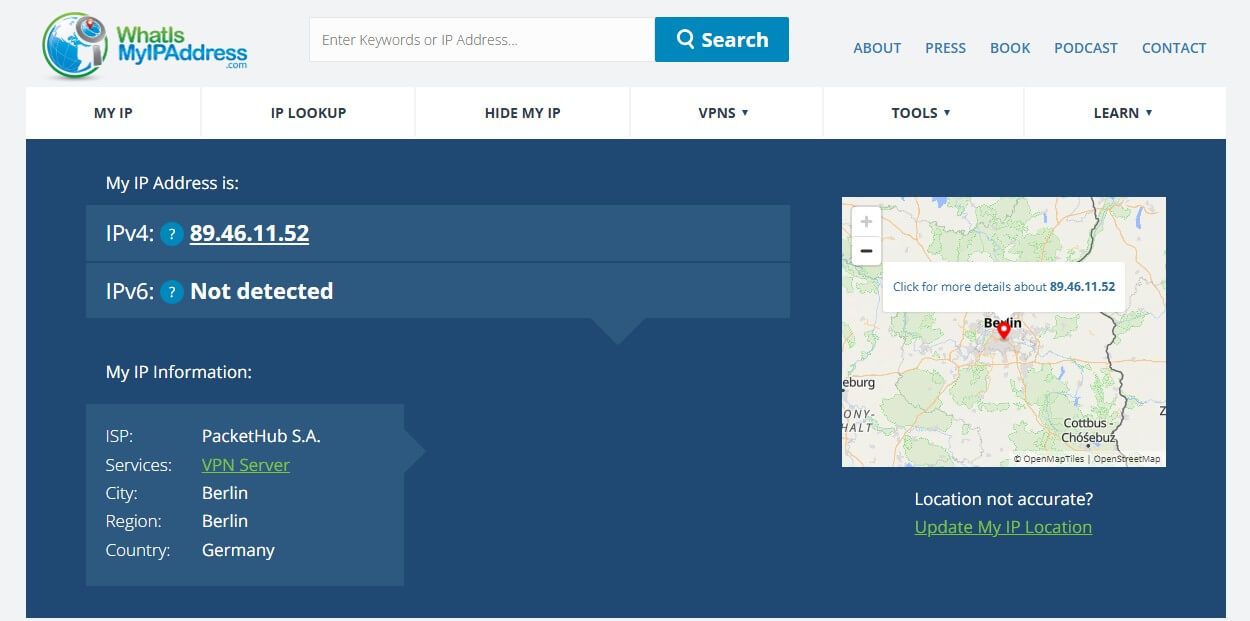
In short, here’s how geo-blocking works.
- When you connect to the internet, your device is assigned an IP address from the Internet Service Provider. This IP is visible to your ISP, and it knows your location, everything you do online, and which devices are in use. Even your ISP can block sites and control what you can see based on it.
- Say you open your browser and visit the site. Your IP address is sent to the website’s server, which sees your location. An IP must be sent so that the site can know where to send its content.
- That’s where the problem is. The site can determine your location based on your IP using special software, which can result in geo-blocking. If your location isn’t geo-restricted, you can access the site without problems. If it’s restricted, you get an error message that prevents further access.
How to Remove Geo-Blocking?
Your IP address dictates your internet experience, as it allows you or prevents you from accessing content. Another vital thing to mention is that your IP address changes based on the network you’re using. Connecting to a home WiFi will give you one IP, but connecting to another network changes it.
The same happens when traveling abroad and connecting to a network in another country. In that case, you’ll get an IP address from a new country, which also helps avoid geoblocking. However, you aren’t going to travel the world to access a streaming platform, a gambling site, or a movie or show you want.
There are methods of bypassing geo-restrictions and accessing favorite sites from the comfort of your home. Keep reading to find out more about them.
1. Using a VPN [BEST Method] 🏆
Pros
- Unblocks streaming sites
- Works on all devices
- Offers unbreakable security
- Protects your personal data
- Allows anonymous P2P
- Removes ISP throttling
- Often blocks ads and malware
Con
- It’s often not free
- Some VPNs store logs
If you wish to know how to remove geo-blocking, this is the #1 method: a VPN. It encrypts your traffic and makes you anonymous. Its perks are countless. For one, this increases your privacy and security. However, it also changes your IP address to a different location (country). That’s the entire solution.
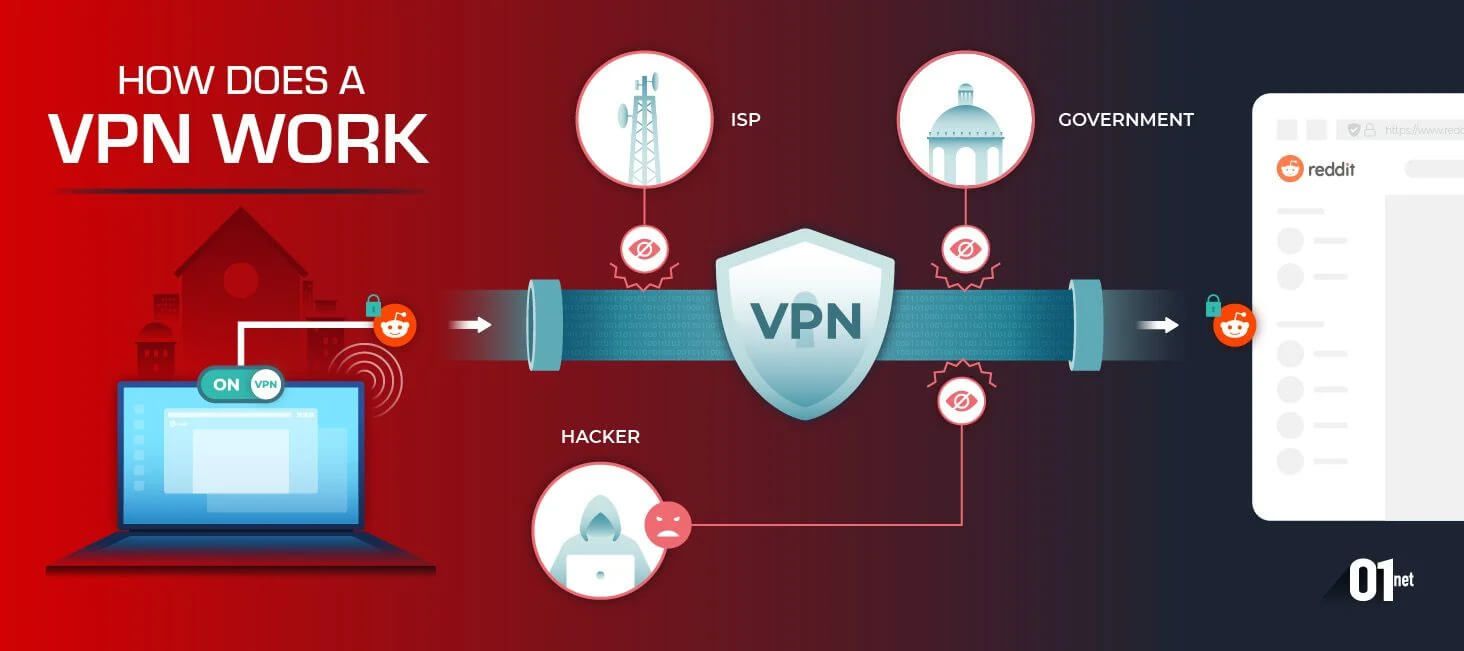
With a VPN, you need to connect to a server, after which, your traffic is routed through that server, which masks your original IP and replaces it with its own IP. If a VPN server is, say, in the US, you’ll be given a US IP address. Conversely, if a server is in the UK, the user would be assigned a UK IP address.
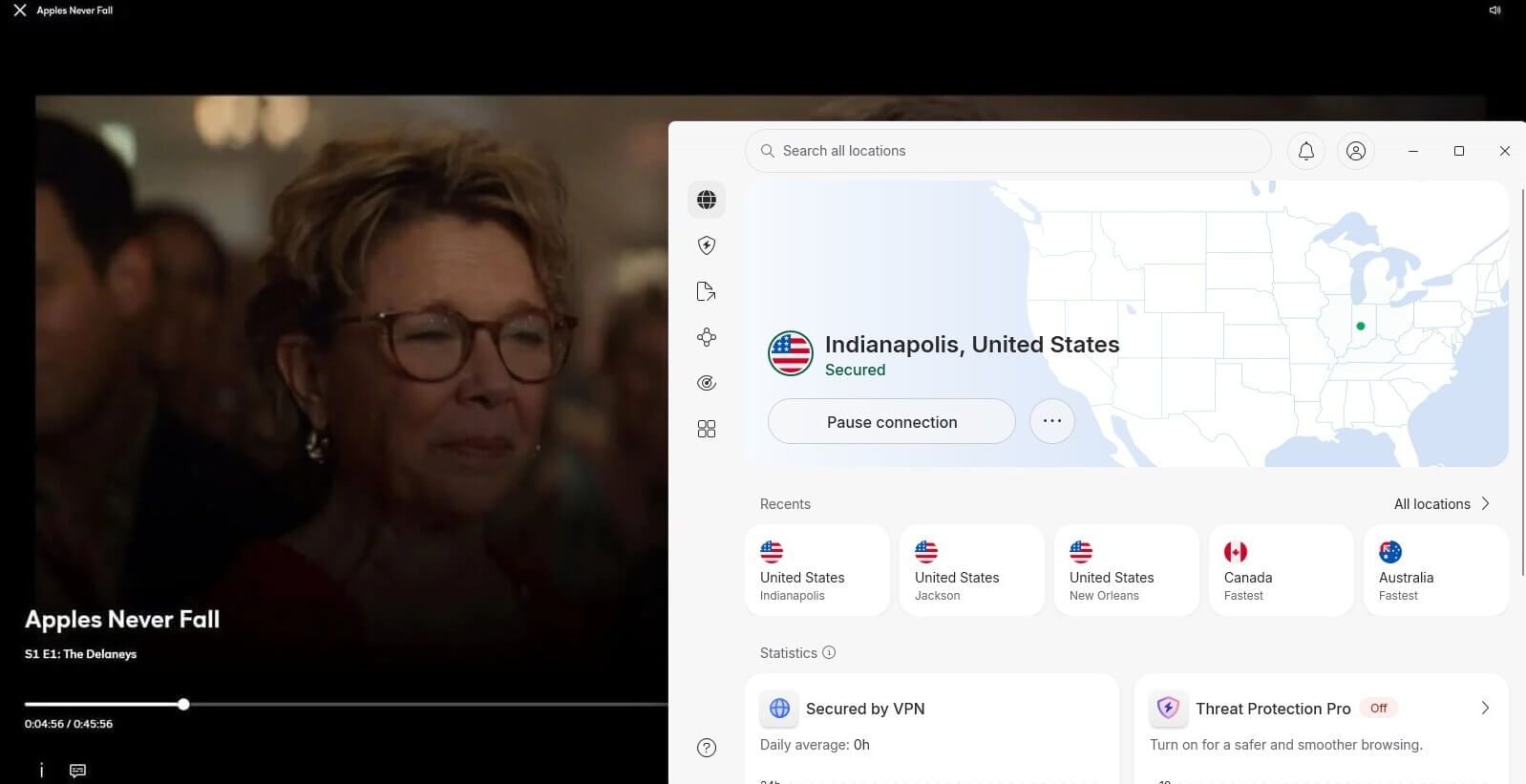
With a US IP, you can unblock Netflix, Hulu, and Amazon Prime Video, so you can get around geoblocking easily. But not every VPN is capable of streaming or unblocking geo-restricted content, despite changing your IP. However, that’s not an issue with a reliable VPN, such as NordVPN, which fixes everything.
This is our recommended choice for bypassing geo-blocking, so here’s how to use it:
- Subscribe to NordVPN. You can get a 73% discount for 2-year plans. It also offers a 30-day money-back gurantee for all plans, so if you’re unsatisfied or no longer need it, you can get reimbursed.
- Download and install NordVPN on your device. It can be any device: Windows, iOS, Android, Linux, macOS, Fire TV Stick, Smart TV, and others.
- Open the VPN application and sign in using the credentials from Step 1.
- Connect to a VPN server in a foreign country. Make sure it’s the country that allows you to avoid geoblocking. If a site you want to access is in the US, connect to a US server, and so forth.
💯 Benefits of VPN for Bypassing Geoblocking
The reason we say a VPN is the best choice for getting over restrictions is that it’s the most reliable. Not a single service will be more reliable, which you’ll soon see. Also, a VPN offers many other benefits that you won’t get anywhere else. Aside from getting over geo-restrictions, it lets you:
- Download torrents in complete safety
- Enjoy unlimited streaming on pretty much every site
- Save money on online purchases through IP changes
- Enjoy privacy and anonymity with no government surveillance.
- Circumvent censorship in China (NordVPN works in China)
- Prevent ISP throttling and get better speeds
The only downside of VPNs is that they’re not free, and those that are usually aren’t capable of getting over persistent geoblocking in some regions. Here are the 3 best VPNs to bypass geo-blocks in 2026:






 8922 servers
 129 covered countries
 30 days money-back guarantee
 10 simultaneous connections
9.8 /10

3000 servers
105 covered countries
30 days money-back guarantee
10 simultaneous connections
9.4 /10

12000 servers
100 covered countries
45 days money-back guarantee
7 simultaneous connections
9.2 /10
2. Using a (Free) Proxy 🆓
Pros
- Typically free
- Very easy to use
- Offers country selection
Cons
- Inconsistent unblocking
- No added encryption
- Can’t block ads/trackers
- Not great for privacy
If you want a quick and free geoblocking solution, try a proxy. This solution is simple: you type in proxy in your browser and get a thousand results. While free proxies are popular for their ease of use, they’re not all that great. Many times, people think they’re as capable as VPNs, but that’s not the case.
A proxy server acts as an intermediary between you and the site you’re trying to visit. So when you type in the address in the proxy’s search bar and press Enter, a proxy will also change your IP before you reach the site. Essentially, you’ll also visit a particular site through a different IP address.
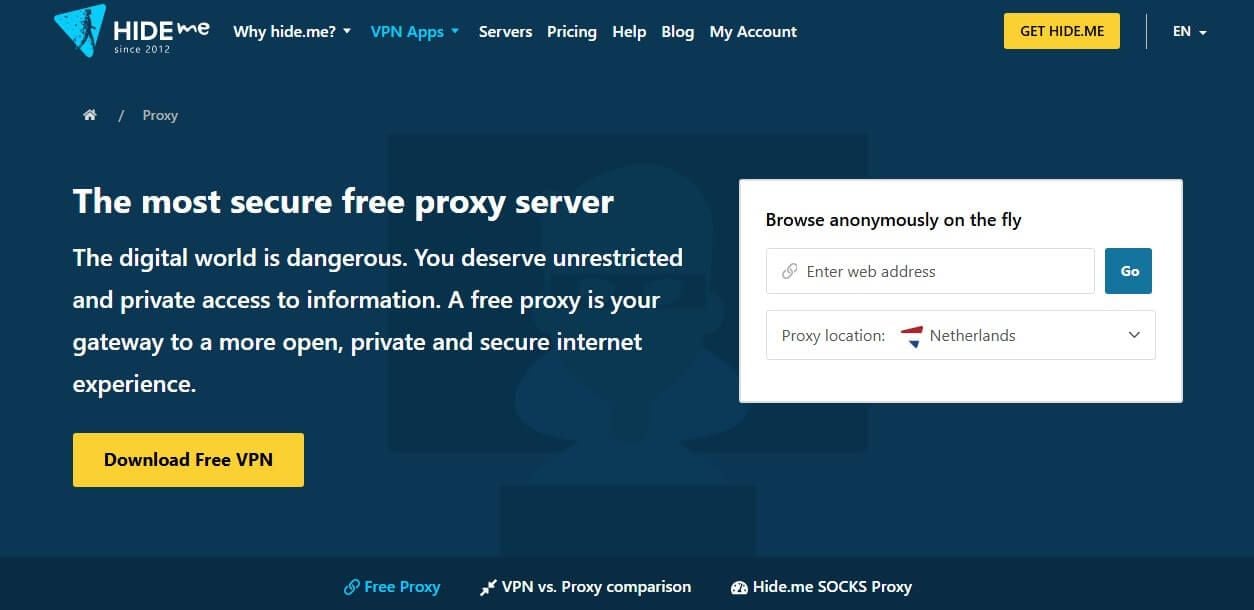
But this time, you won’t enjoy all the VPN benefits, such as encryption, security, privacy, or obfuscation. Another problem is that a free proxy works only inside the browser, so the rest of the traffic goes through your original IP address. Free proxies online are limited and, in some cases, don’t have country selection.
In turn, it’s difficult, and sometimes impossible, to remove geo-blocking. Proxies usually work when you’re trying to visit a restricted site at your school or workplace. We all used it for going on Instagram, Twitter, Facebook, and YouTube in school, but even in this case, network administrators blocked them.
You could make an argument about paid proxies, and you’d be right. Paid proxies are better, and some are optimized for avoiding geoblocking. However, they’re very expensive, plus, if you’re a beginner, you may find them difficult to set up. Proxies may work but are far from the optimal geoblocking fix.
3. Using TOR 🧅
Pros
- Good for anonymity
- It’s free to download
- Offers access to the dark web
Cons
- Not good for torrenting
- Can’t unblock streaming sites
- No ability to choose location
- Infamous for very slow speeds
If you’ve ever tried to get on the darknet, you’ve heard about and used TOR. TOR or Tor Browser, as it’s often called, is based on Firefox, and it’s made for anonymous browsing and visiting the dark web (TOR stands for The Onion Router, by the way). But how does TOR work, and how effective is it truly?
TOR works by routing your traffic through multiple nodes in the TOR network, making your traffic untraceable by your ISP, hackers, and other malicious entities. Your ISP can see that you’re using TOR, but it won’t know what you’re doing inside the network. Is it as secure and encrypted as the VPN? No.
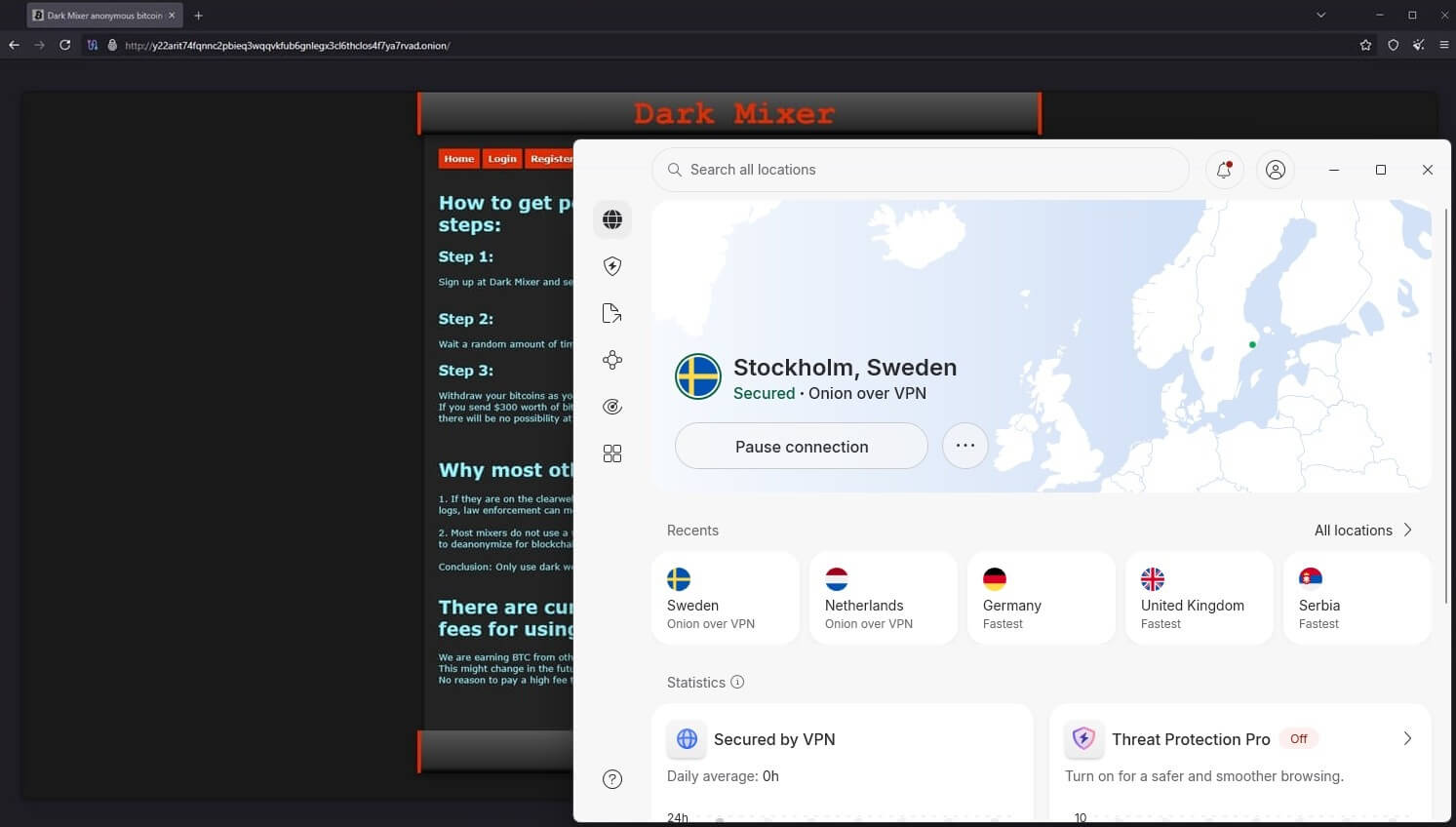
Everything we said applies only to the browser traffic, and you’re not getting 360-degree protection. Still, many enjoy TOR, as it allows them to visit the dark web and unblock some restricted sites. To use TOR:
- Go to its official site.
- Download it to your device.
- Open the browser and type in the address of the site you want to visit.
- Press Enter and wait for it to load.
TOR is completely free, but the main issue is that it doesn’t allow you to choose a server or change your country in any way. This is, as you can guess, unsuitable for accessing content specific to certain countries. With very slow speeds due to encryption and routing through multiple nodes, the experience is subpar.
It’s always better to combine TOR with a VPN to get the best of both worlds and get safety, anonymity, and privacy. Just don’t expect it to unblock geo-blocked streaming services and similar websites. Something like this is possible only with a VPN like NordVPN, ExpressVPN, CyberGhost, or Surfshark.
4. Bonus: Using Smart DNS 📺
Pros
- Best for streaming
- Works on all devices
- Effortless setup
Cons
- Available in paid VPNs
- No security or privacy
- Inconsistent performance
- Can be detected and blocked
The final method is Smart DNS. Many premium VPNs offer Smart DNS, most suitable if you want to unlock geo-restricted content on TV and avoid geoblocking. In fact, it’s the most popular method to fix Smart TV geo-blocking, but it doesn’t encrypt traffic or offer other security and privacy benefits.
This method also won’t change your IP address (vital to know). It’ll, instead, change the DNS server on your device (local DNS) to a DNS server elsewhere. Smart DNS is a free feature, and it’s very easy to use. Above all, it’s compatible with every device you can imagine. It works on:
- Windows, Mac, and Linux computers
- iOS and Android smartphones
- Smart TV, Fire TV, Nvidia Shield TV, and other similar devices
- Gaming consoles (PlayStation & Xbox)
The process of using Smart DNS differs based on your device and the VPN you’re using, so there’s no one-for-all tutorial. However, it functions by obtaining a DNS address from your VPN and using that address instead of the default one in your device’s settings. Below, you can see an example of NordVPN.
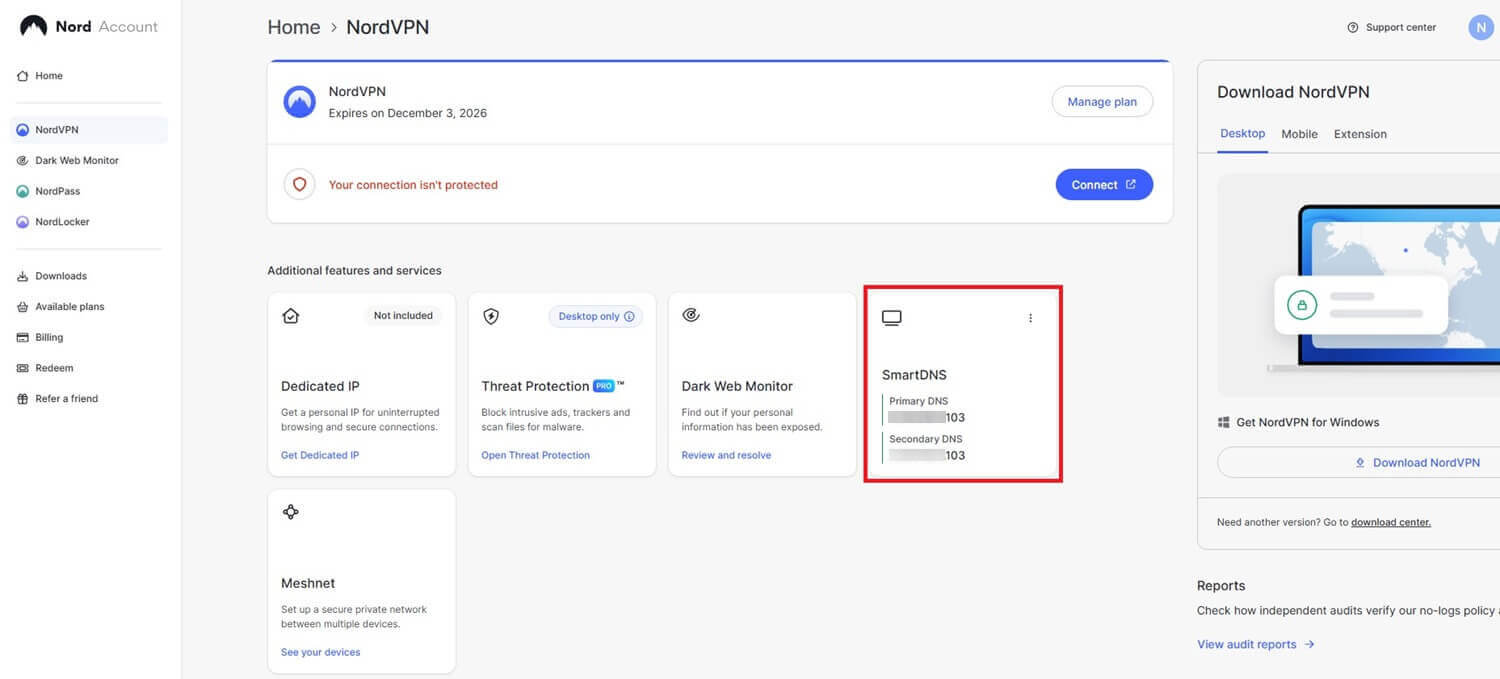
You’ll simply need to copy the new DNS address and paste it into the DNS Settings on your device. Once you do that, you can get over geo-blocking and access restricted content. In most cases, you’re limited to a single country, the US, for the most part. But you can also buy a Smart DNS service separately.
In that case, you have more freedom, but still lack the security and privacy of a VPN. As for VPN-given Smart DNS, it’s great to access US TV channels and streaming services. Either way, with or without the VPN, Smart DNS can still be detected and blocked, so it’s less efficient than high-quality VPNs.
What is Geo-Fencing?
Another term people often confuse with geo-blocking is geo-fencing. While they sound similar, they’re very different things. Geo-fencing is a technology used to create digital boundaries. It takes advantage of GPS and location data, which allows for setting up an invisible barrier.
Geo-fencing produces a geofence, which tracks your location and determines when you’ve crossed a geofence (boundary) created by a particular service. Thanks to GPS technology with RFID, WiFi, and cellular signals, geo-fencing uses particular nearby locations and creates a digital or artificial boundary.
This is primarily useful for security alerts and marketing, and for tracking a person’s location. For example, thanks to geofencing, you can get information about nearby shopping deals based on your location. It’s also useful for tracking shipments and pets to avoid their potential loss.
Geo-fencing has nothing to do with geo-blocking. Geo-fencing is a completely different technology with some privacy concerns that can be rectified with a VPN to a certain extent.
Geoblocking Definition: Conclusion
We know what geo-blocking is and how to avoid it to access your favorite websites, bookies, and streaming apps. Geo-blocking is a typical internet phenomenon, and you have seen it at least a dozen times. You can avoid it with a VPN, a proxy, TOR, or Smart DNS, where the VPN is the most reliable.
We strongly recommend NordVPN. Not only will it help avoid geoblocking and unblock restricted sites, but it’ll also encrypt your traffic and boost your security. While other methods will work, they’re not very reliable, and in many instances, they won’t unblock region-restricted content, making the VPN superior.
Geoblocking FAQ
⛔ Why does geo-blocking exist?
Most often, it’s due to licensing agreements, copyright restrictions, or legal regulations. For example, a streaming platform may only have the rights to display a movie in a specific group of countries.
🚫 How to remove geo-blocking without VPN?
It's hard to remove geo-blocking without a VPN, but you can try a proxy service or TOR if you're content with their limitations. Neither is designed for dodging geo-blocks primarily, so don't be surprised if they don't work. An alternative is Smart DNS, good for use on US-based streaming sites and apps.
🚧 Are geo-restrictions the same as geoblocking?
Yes, they're the same, and can be solved by using a VPN and changing your IP address. Not all geoblocking can be fixed by a VPN, especially when discussing streaming sites that use advanced techniques to detect and block VPNs. A high-quality VPN has the best chances of solving the issue.
🔴 How to solve content not viewable in your region?
You can solve it by getting an IP address from the region where that content is viewable. For instance, if you want to watch 9Now abroad, get an Australian IP address, etc. You can do this with a VPN.
🎬 How to unlock geo-restricted content on TV?
To fix Smart TV geo-blocking, use a VPN. Most VPNs work on Smart TVs or offer Smart DNS that works on all Smart TV models, including LG, Samsung, Xiaomi, Philips, and dozens more.